
For decades, playing at Lambeau Field was considered one of the most difficult assignments in football and gave the Packers a distinct advantage. The frozen temperatures, roaring crowd, rich tradition, and Lambeau’s unique environment created an atmosphere that overwhelmed opposing teams, especially late in the season. Whether it was the legendary Ice Bowl era, the dominance of the Brett Favre years, or the consistency under Aaron Rodgers, the Packers built a reputation for protecting their home turf better than almost anyone in the NFL.
But over the last several seasons, that aura has faded. In 2026, it’s time to get it back.
The Packers have remained competitive and occasionally looked like contenders, but Lambeau no longer automatically feels like a built-in advantage against quality opponents.
Green Bay has dropped several important home games in recent years, including the 2022 Week 18 contest against the Detroit Lions and playoff games against the San Francisco 49ers and the Tampa Bay Buccaneers. Opponents have appeared increasingly comfortable walking into Lambeau and operating in conditions that once seemed impossible for visiting teams. The intimidating “Lambeau Mystique” has not disappeared entirely, but it has unquestionably weakened.
That’s why the structure of the 2026 schedule may quietly become one of Green Bay’s biggest advantages this season.
The Packers are set to play a large portion of their home schedule during the second half of the year, including several critical matchups in November and December. While schedule timing alone will not determine the outcome of the season, it could play a major role in helping Green Bay rediscover the home-field dominance that once defined the franchise.
Once the Packers get home from their road trip to New Orleans, they play four of their final five games at home. Two of those matchups will be against warm-weather teams: the Miami Dolphins and the Houston Texans. If Green Bay can find a way to return to its franchise roots and string together some convincing wins at home, it can ride that momentum into the playoffs.
Every year, analysts attempt to downplay the impact of weather in modern football. The argument is understandable. Advances in equipment, training, and offensive systems have made teams more adaptable than ever before. Many organizations now feature players from northern college programs or cold-weather NFL cities. Quarterbacks train year-round in all conditions, and offenses are more efficient in the passing game regardless of the climate.
Still, history shows that late-season weather matters, especially when temperatures drop well below freezing and wind becomes a factor. There are still few stadiums that create that environment better than Lambeau Field.
The Buffalo Bills are building a new indoor stadium. Gone are the days of the Bills playing in the harsh Western New York elements. The Cleveland Browns and Chicago Bears are next on the list of teams looking to trade in their history for the friendly confines of weather-controlled football.
There’s also a difference between playing in cold weather and living in it. Packers players practice outdoors in freezing temperatures throughout the season. They understand how the field reacts, how footing changes, and how the wind swirls. They also know how physical the game becomes in December. Visiting teams may say all the right things during the week, but there’s still an adjustment period when stepping into Lambeau late in the season. That adjustment becomes even harder when playoff positioning is at stake, and pressure intensifies.
However, the final five games won’t matter if Green Bay struggles in the first half of the season. Still, if the Packers enter November playing their best football, the schedule could set up favorably.
Instead of battling through difficult road trips in hostile environments, the Packers will have opportunities to stack wins at Lambeau and secure a home playoff game for the first time since that 2021 playoff loss to the Niners, when San Francisco was the No. 1 seed in the NFC.
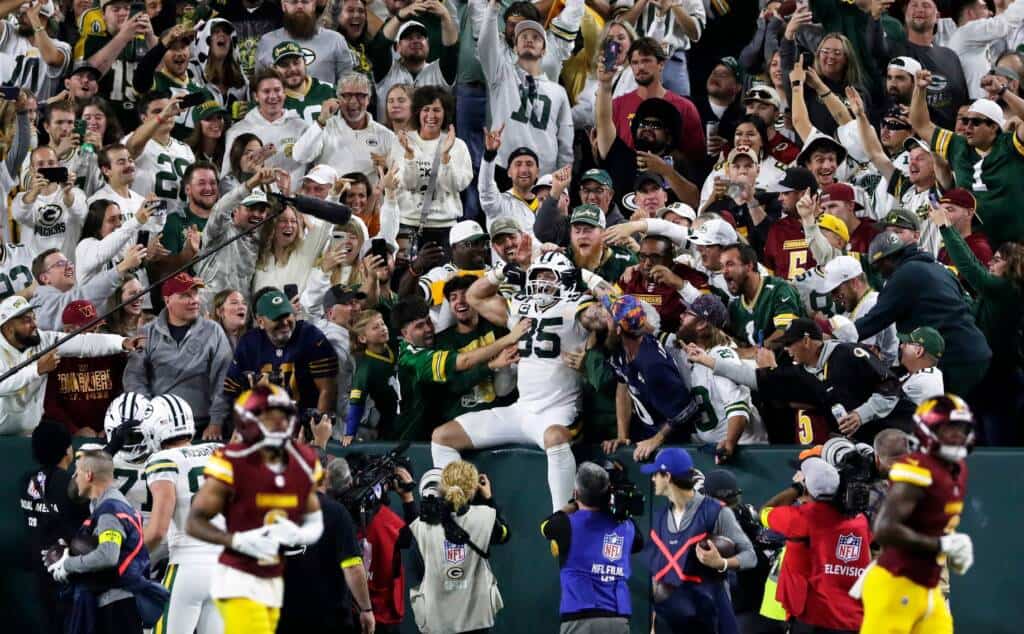
Crowd energy at Lambeau is always strong, but meaningful late-season football elevates the atmosphere to another level entirely. The fanbase understands playoff implications, division races, and postseason seeding. When the Wisconsin temperatures plummet and the stakes rise, Lambeau becomes one of the most emotionally charged venues in football.
One of the common themes in those recent Packers home losses were a lack of physicality in their play. The hope is that head coach Matt LaFleur can shift the Packers toward a more balanced and physical identity to further take advantage of their home-field conditions. While Green Bay still values offensive creativity and explosive plays, they have invested heavily in improving trench play, defensive versatility, and the running game for 2026. That style translates well to cold-weather football.
Games at Lambeau late in the season are rarely pretty. Conditions can limit explosive passing attacks and force teams into more physical contests. Winning often comes down to line play, tackling, ball security, and controlling tempo. Those are the areas Green Bay has attempted to strengthen over the last several offseasons.
The Packers must hope their offensive line can be one of the deeper units on the roster after their adjustments this offseason. They should get a full season of Sean Rhyan at center, Jordan Morgan starting at left tackle, a healthy Zach Tom, and Aaron Banks. With that will come improvements to their below-league-average running attack from 2025, which they must prioritize to make a deep run and get back to instilling that Lambeau magic.
Perhaps the biggest factor of all is the psychological advantage that comes with reestablishing home dominance.
For years, opponents traveled to Green Bay already believing they faced a unique challenge. That matters more than many realize. Confidence and comfort are critical in the NFL, especially for road teams. When opponents begin expecting things to go wrong, even small mistakes can snowball quickly. Recently, that fear factor has diminished.
Good teams have come into Lambeau expecting to compete and win more often than not, rather than merely survive. Rebuilding the mystique requires changing that mindset again.
The best way to do that is by winning meaningful home games late in the year.
If the Packers start defending Lambeau aggressively in November and December, confidence inside the building will grow. Fans will feel it. Players will feed off it. Opponents will once again begin discussing weather, noise, and conditions all week leading into games.
Momentum and perception are powerful forces in sports. A few dominant late-season home performances could completely reshape how Lambeau is viewed around the league entering future seasons.
The NFL is too competitive for any team to rely solely on environment or history. Opponents are talented, coaching staffs prepare thoroughly, and elite quarterbacks can win anywhere regardless of conditions. The Packers still must execute offensively, limit mistakes, and remain healthy throughout the season.
Additionally, the pressure of meaningful late-season home games cuts both ways. If Green Bay struggles early or enters those matchups inconsistently, the home crowd’s expectations could create added tension rather than confidence.
Lambeau Field has always been more than just a stadium. It is part of the franchise’s identity. When the Packers are truly rolling late in the season, the building becomes one of the defining home-field advantages in sports.
The 2026 schedule may provide the perfect setup for that reputation to return.
If Green Bay’s young roster develops as expected, if the physical identity continues taking shape, and if they can turn late-season home games into statement victories, the Lambeau mystique could once again become very real for the rest of the NFL.