
The Minnesota Timberwolves’ offseason should be about making one clear objective: Keep the core competitive, but stop pretending the current formula is already good enough. The Wolves have talent and depth questions, and are up against the cap. So the smartest path to improve the roster is to build around Anthony Edwards without creating another expensive, awkward roster fit.
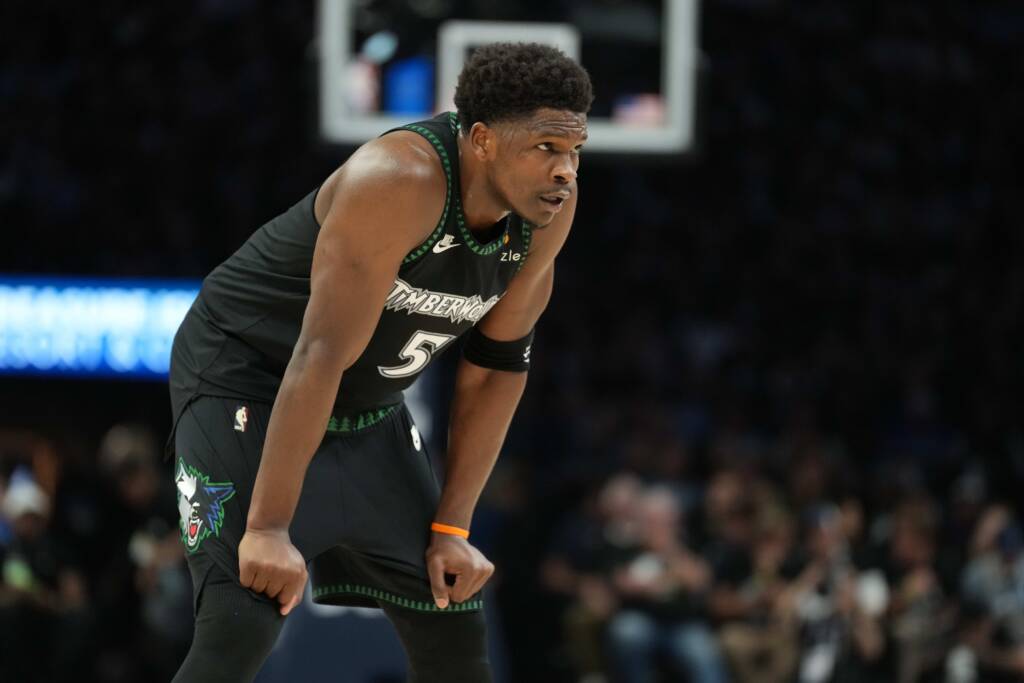
Anthony Edwards is the only untouchable piece, and every offseason move should center on one question: Does this make him easier to build a title team around?
Minnesota has enough star power to stay relevant, but the playoff exit showed that the Wolves still need more shot creation, perimeter scoring, and lineup flexibility. That means the front office should prioritize versatile players who can create offense when defenses load up on Edwards, rather than leaning too heavily on a single style of play.
The biggest roster decision is what to do with the expensive veteran core. Most people will highlight ongoing questions about Julius Randle and Rudy Gobert’s fit, as well as how much financial pain ownership is willing to absorb under the NBA’s second apron system. Minnesota has already shown a willingness to manage costs carefully, and the second-apron restrictions make it harder to keep everyone and add talent later.
In practical terms, the Timberwolves should explore trades for at least one big contract if it brings back a better perimeter creator or a more natural two-way fit.
The Wolves should avoid locking themselves into another expensive, limited roster if the payoff is only a first- or second-round ceiling. In the current cap environment, the team has to be strategic about whether to re-sign or replace role players, especially to keep payroll below the harshest penalties. That likely means choosing between paying for continuity and preserving enough flexibility to make a bigger move later. A smart offseason is not just about adding talent; it’s about creating an inflexible roster.
Minnesota also needs more youth and shooting on the margins. They need bench scoring and guard help, especially with uncertainty around some backcourt pieces and Minnesota’s limited draft capital. With a late first-round pick and no secondary pick this year, the team should target players who can come in and play fast, defend hard, and hit open threes. That kind of addition matters because it keeps the bench from becoming a playoff liability.
The draft will probably not solve everything, but it can still help the Wolves reset the roster’s age and athletic profile. Minnesota’s pick situation is not especially rich, which makes it even more important to identify a player who can contribute quickly rather than another long-term project. If the front office lands a rotation-ready guard or wing, it could reduce pressure on the rest of the roster and help the team survive the regular season without overworking Edwards.
To compete with the San Antonio Spurs and the Oklahoma City Thunder, the Wolves must consider a bigger trade rather than only nibbling around the edges. Multiple offseason reports suggest the Wolves could explore bringing in a major star, like Giannis Antetokounmpo or Kyrie Irving, including a blockbuster pursuit that would raise the team’s ceiling. That doesn’t mean forcing a reckless deal, but it means being aggressive if a true difference-maker becomes available. The Wolves are good enough to chase a title, but only if they upgrade from solid contender to a team nobody wants to see in May.