
The Minnesota Twins had another turbulent offseason with payroll restraints and the installation of Tom Pohlad as the team’s executive chair. Ultimately, it led to the president of baseball and business operations, Derek Falvey, stepping down and general manager Jeremy Zoll taking control of the day-to-day business operations.
Six months after being thrown into the spotlight, Zoll hasn’t made a major impact outside of bullpen trades featuring cash considerations. But with the Aug. 3 trade deadline approaching, that could be about to change.
The Twins are in an interesting spot, entering Tuesday with a 44-47 record but sitting 1.5 games out of the final Wild Card spot in the American League. There’s pressure from angry fans to buy at the deadline. But Zoll is also in the middle of a rebuild that Falvey began during last year’s trade deadline fire sale.
Ultimately, Zoll has some important decisions to make, and the deadline could be his first chance to distinguish himself as Minnesota’s leading decision-maker.
In some ways, Zoll has already accomplished a lot. Before the Twins promoted him to general manager, he spent 14 years in front offices, including the Cincinnati Reds, Toronto Blue Jays, Los Angeles Angels, and Los Angeles Dodgers, before arriving in Minnesota in 2018.
While there haven’t been too many obvious highlights, Zoll was the lead negotiator in a pair of trades, including the 2022 deal where the Twins acquired Sonny Gray from the Reds and the 2024 deal that sent Jorge Polanco to the Seattle Mariners, according to former MLB.com Twins writer Do-Hyoung Park.
The Gray trade worked out well. He became a top-of-the-rotation starter for the Twins and finished as the runner-up for the American League Cy Young Award. However, the Polanco trade was less successful. Anthony DeSclafani never threw a pitch for the Twins, and Justin Topa had a tenure plagued by injuries and poor performance. Meanwhile, Gabriel Gonzalez continues to develop in the major leagues.
Zoll batted .500 in those trades. However, looking at the current roster, it’s harder to tell where the line between himself and Falvey starts and ends. While he was in the front office when the Twins drafted Trevor Larnach, Brooks Lee and Luke Keaschall, and Falvey swung trades for Joe Ryan, Taj Bradley and others, there isn’t a move you can definitively credit to Zoll outside of trading for Yoendrys Gómez.
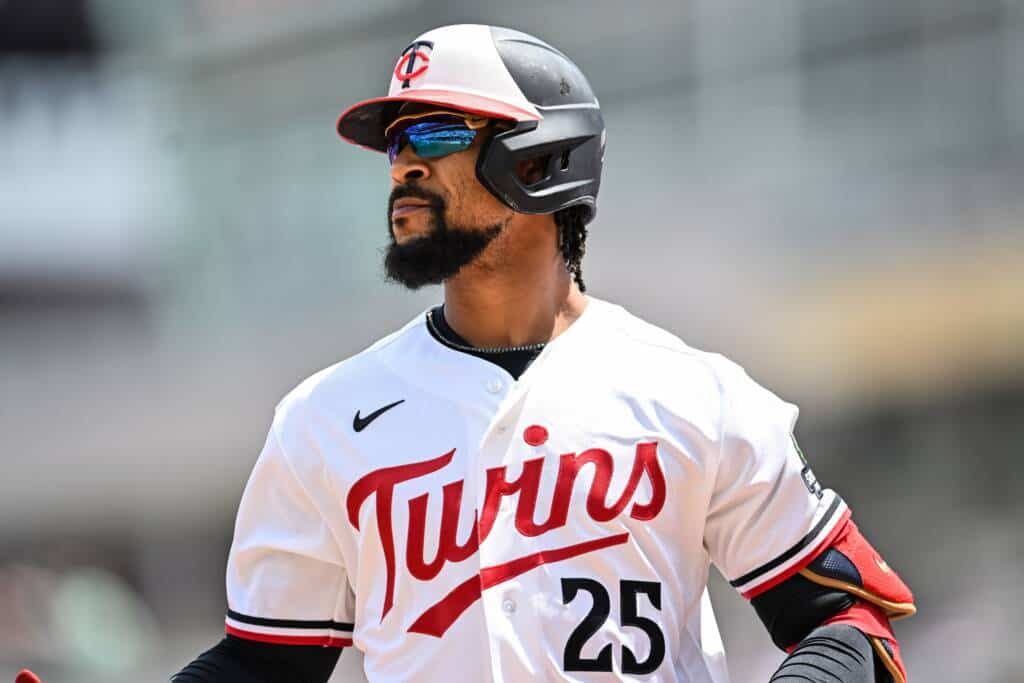
He also made an impact off the field by telling reporters that the Twins don’t plan on trading Buxton ahead of the deadline. While Carlos Correa showed that things can change quickly, the desire to keep Buxton has been reinforced by the man himself, who does “not give a f***” about trade rumors, even after Jeff Passan listed him as his No. 2 overall trade candidate.
Zoll stands at a crossroads at the trade deadline. Zoll could try to swing a trade for Gray, who is having a great season on a struggling Boston Red Sox team. But that would also involve giving away prospects that could be critical to Minnesota’s success with a “right-sized payroll.”
He could also make smaller moves to bolster the pitching staff and add depth to the top of the American League lineup. But that also could not be enough to help the Twins secure a playoff berth.
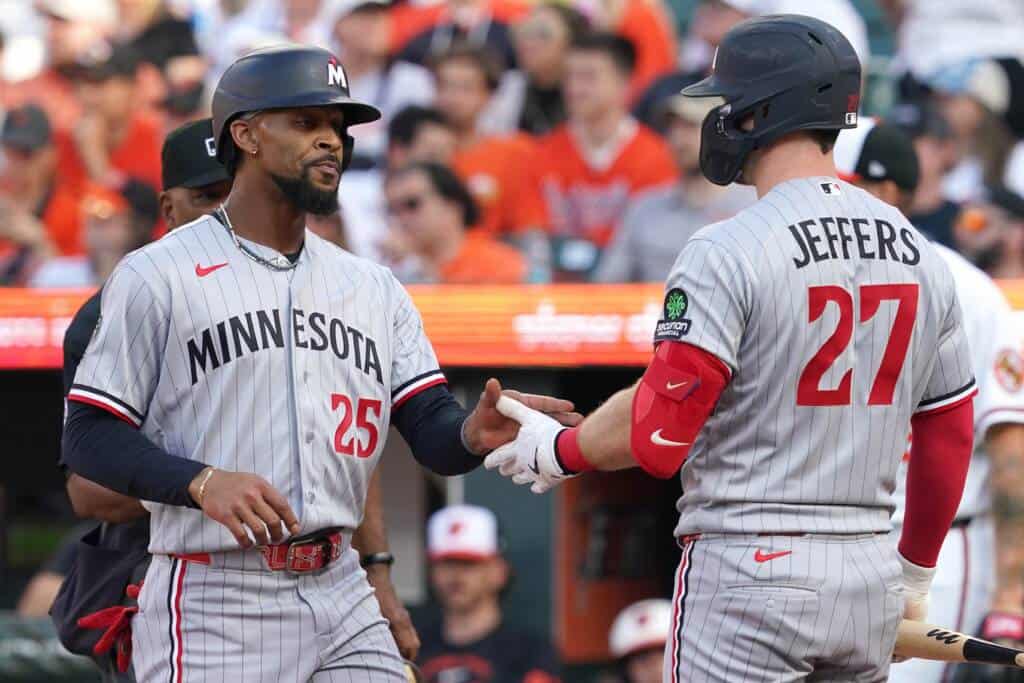
The alternate path may yield fewer answers. Joe Ryan and Ryan Jeffers are also top candidates at the deadline, and Zoll could deal other one-year veterans, such as Josh Bell, to restock the cupboard. But doing so would appear to carry out Falvey’s mission from a year ago and may have some fans wondering if things have really changed six months after his departure.
Whichever path Zoll decides, Twins fans will know more than they know now. Minnesota’s front office holds Zoll in high regard. If he nails the deadline – even if the Twins sell – it should bring more confidence going forward. But if he makes the same moves his predecessor did or even stands pat, fans could look at him in the same light, and it would be another poor development for a team that can’t seem to get out of its own way.